
Commercial construction projects are expected to deliver buildings that support productivity, tenant satisfaction, and long-term operational reliability. While structural strength and architectural design receive immediate attention, sound and vibration performance also play a significant role in how a building functions after completion. Mechanical systems, surrounding infrastructure, and internal tenant activities can all influence acoustic conditions within a commercial environment.
Acoustic engineering services address these challenges by applying technical analysis and engineering planning to the behaviour of sound and vibration in buildings. By identifying potential acoustic issues during the early design stages, developers and project teams can prevent costly corrections, maintain regulatory compliance, and support building performance throughout the property’s lifecycle.
Sound planning in commercial construction is rarely accidental. Acoustic engineers evaluate how noise travels through structures, how mechanical equipment generates vibration, and how building materials influence sound transmission. Through engineering-led analysis and design coordination, acoustic performance becomes a predictable component of the project rather than a reactive fix after construction.
People Also Ask
1. What do acoustic engineering services include in commercial construction?
They include environmental noise assessments, vibration monitoring, predictive modelling, and mechanical system noise analysis.
2. Why are acoustical engineering services important for commercial buildings?
They ensure sound control, regulatory compliance, and improved occupant comfort within complex building environments.
What Are Acoustic Engineering Services in Commercial Construction?
Acoustic engineering services involve the evaluation, design, and management of sound and vibration within buildings and surrounding environments. In commercial construction, these services help ensure that buildings meet acoustic performance standards while supporting occupant comfort and regulatory requirements.
Typical acoustical engineering services include environmental noise assessments, vibration monitoring, building acoustics analysis, and mechanical system noise control. These services allow project teams to understand how sound behaves within a building and how external noise sources may affect interior spaces.
Acoustic engineers also assist with predicting sound transmission between tenant spaces, identifying potential vibration pathways through structural elements, and recommending design adjustments that improve acoustic performance. These recommendations often involve materials, building geometry, equipment placement, and structural isolation strategies.
Why Acoustic Engineering Services Matter in Commercial Developments
Acoustic performance directly affects how people experience a building. Excessive noise from building equipment, sound transmission between office spaces, or disruptive environmental noise can affect productivity and tenant satisfaction.
Acoustic engineering services help developers anticipate these issues before they appear during occupancy. When sound control strategies are incorporated early in the design process, buildings operate more smoothly and require fewer costly modifications later.
From a financial perspective, acoustic planning protects asset value. Buildings that perform well acoustically maintain stronger tenant retention and operational reliability, making them more attractive to investors and long-term occupants.
Core Acoustic Engineering Services Provided in Commercial Projects
Commercial developments require a range of acoustic evaluations to ensure reliable sound performance. Baseline noise assessments measure existing environmental sound levels around a proposed site. These measurements help establish a reference point for evaluating future noise impacts.
Predictive modelling is another essential component of acoustical engineering services. Using specialized software, engineers simulate how sound and vibration may behave within a building once it becomes operational. This analysis helps identify areas where sound control measures may be required.
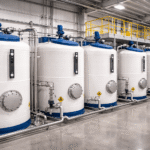
Mechanical system noise control is also a key focus. HVAC equipment, elevators, generators, and electrical infrastructure often generate sound and vibration that can travel through building structures. Acoustic engineers analyze these systems and recommend mitigation strategies that minimize disruptive noise.
Environmental noise assessments are often required as part of planning approvals. These studies evaluate how new developments may influence surrounding communities and ensure compliance with local regulations.
The Acoustic Engineering Process in Commercial Construction
The acoustic engineering process typically begins during early planning stages with a site assessment and project consultation. Engineers examine surrounding noise sources such as transportation corridors, nearby industrial operations, and existing building infrastructure.
During the design phase, acoustic modelling tools are used to predict sound behaviour within the building. These simulations help determine how architectural design, building materials, and mechanical systems influence acoustic performance.
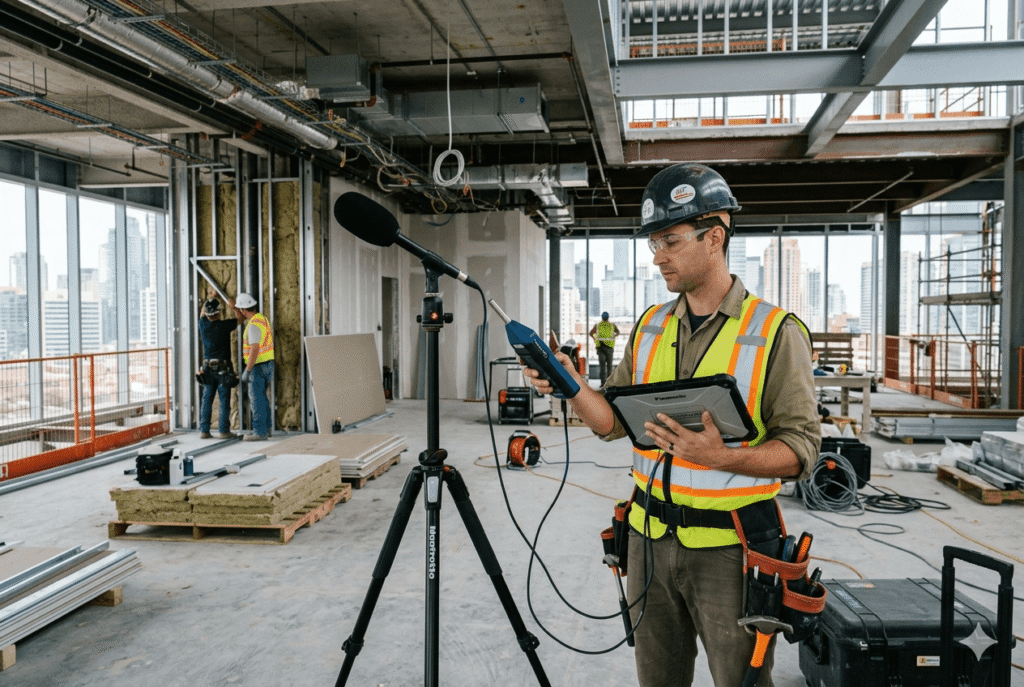
As construction progresses, acoustic engineers may perform field monitoring or inspections to verify that installed systems align with the design intent. Post-construction testing can also confirm that noise and vibration levels meet the performance targets established during the planning phase.
Regulatory and Code Considerations
Commercial construction projects must comply with municipal, provincial, and environmental regulations related to noise and vibration. These regulations often define acceptable sound levels at property boundaries and within occupied spaces.
Acoustic engineering services support regulatory compliance by documenting predicted sound levels, evaluating mitigation strategies, and preparing technical reports required for approvals. These reports provide regulators and stakeholders with clear documentation of how acoustic impacts are managed.
In many jurisdictions, environmental approvals require acoustic assessments before construction can proceed. Acoustic engineers work with project teams to ensure that these requirements are satisfied without delaying project timelines.
Common Acoustic Challenges in Commercial Construction
Commercial buildings often face acoustic challenges due to the complexity of building systems and surrounding environments. Mechanical equipment located on rooftops or within equipment rooms can generate continuous noise that affects interior spaces.
Mixed-use developments introduce additional complexity. Retail operations, office spaces, and residential units may share the same building, creating multiple sound transmission pathways that require careful acoustic planning.
External noise sources such as traffic corridors, rail lines, and nearby industrial activity can also influence building acoustics. Engineers analyze these sources and recommend building-envelope strategies to limit the intrusion of external noise.
When Should Developers Engage an Acoustic Engineer?
Early engagement provides the greatest benefit for commercial projects. When an acoustic engineer participates during initial planning and design stages, acoustic considerations can influence building layout, structural details, and equipment placement.
Waiting until later stages often limits available solutions. Early collaboration allows acoustic engineers to coordinate with architects, structural engineers, and mechanical designers to ensure sound and vibration performance are addressed throughout the project lifecycle.
Selecting the Right Acoustic Engineering Partner
Choosing the right consulting partner involves evaluating experience, technical capability, and project alignment. Firms providing acoustical engineering services should demonstrate a strong understanding of commercial construction environments and regulatory requirements.
Effective communication with design teams is equally important. Acoustic engineers must coordinate with architects, contractors, and mechanical engineers to ensure recommended solutions integrate smoothly with the overall building design.
Acoustic Engineering as a Strategic Investment in Commercial Construction
Acoustic performance influences the success of commercial buildings long after construction is complete. Sound and vibration control affect occupant comfort, operational stability, and regulatory compliance throughout the facility’s life.
Valcoustics provides consulting-engineer-led acoustic engineering services that support developers, architects, and construction teams during commercial projects. Through detailed analysis, predictive modelling, and acoustic monitoring, Valcoustics helps ensure buildings achieve reliable acoustic performance.
Contact Valcoustics to discuss how an experienced acoustic engineer can support upcoming commercial construction projects.