
Unexpected pricing changes often disrupt metal fabrication projects. Projects may begin with a clear design intent, but pricing can shift due to overlooked variables in materials, tooling, and production planning. These changes affect timelines, budgets, and overall efficiency.
Understanding what drives sheet metal fabrication costs helps businesses make informed decisions early. The following breakdown highlights the key factors that influence pricing in fabrication projects, along with practical ways to manage them effectively.
1. Material Selection and Thickness
Material choice directly affects fabrication costs. Different metals vary in availability, machinability, and processing requirements.
Key considerations include:
- Material Type: Common options such as stainless steel, mild steel, and aluminum each carry different price points.
- Thickness: Thicker materials require more force, time, and tool wear during cutting and forming.
- Material Utilization: Efficient nesting reduces scrap and lowers overall cost.
Selecting a suitable material based on functional requirements, not on excessive specifications, helps control expenses without affecting performance.
2. Design Complexity and Tolerances
Design decisions significantly influence production cost. Even small changes in geometry or tolerances can increase machining time and inspection requirements.
Cost-driving design elements in sheet metal fabrication projects include:
- Tight tolerances requiring precision machining
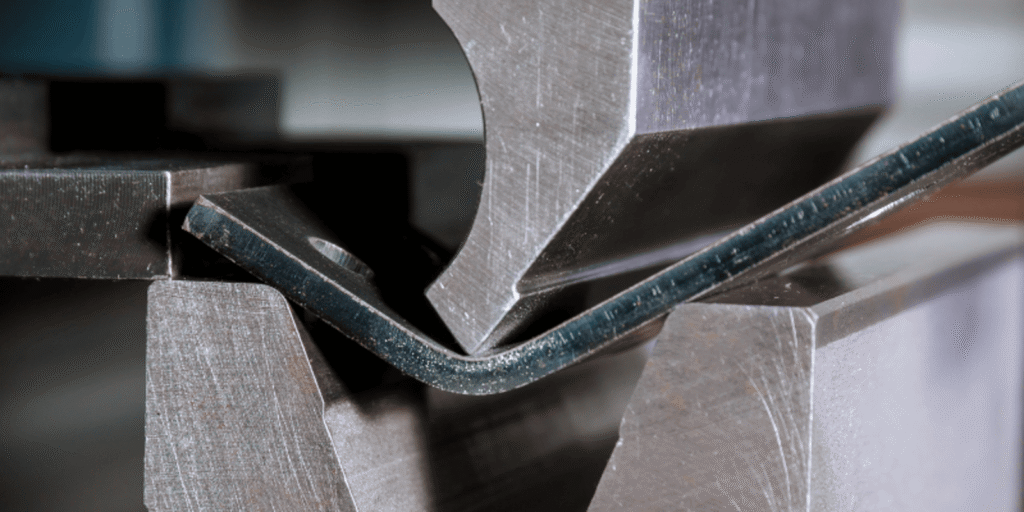
- Complex bends or intricate cut patterns
- Multiple features within a single component
Simplifying designs where possible improves manufacturability. In many cases, standard tolerances and streamlined geometries reduce both machining time and production risk.
3. Production Volume and Batch Size
Production scale impacts cost per unit. Higher volumes typically reduce the cost per part due to better utilization of tooling and setup.
Key factors:
- Low-Volume Production: Higher cost per unit due to setup requirements and production distribution
- Medium to High Volumes: Improved efficiency and reduced per-part cost
- Repeatability: Consistent designs enable faster production cycles
For components such as simple electromechanical assemblies or repeatable fabricated parts, stable batch sizes help maintain predictable pricing.
4. Tooling and Setup Requirements
Tooling is a major cost component, especially for custom sheet metal fabrication in Toronto. Setup time, machine configuration, and tooling design all contribute to initial project costs.
Important considerations:
- Custom tooling requirements for stamping or forming
- Setup time for CNC machining (3-axis systems)
- Fixture design for consistent part positioning
While tooling adds upfront cost, it often improves efficiency over larger production runs. Proper planning ensures tooling investments align with production goals.
5. Secondary Operations and Finishing
Secondary processes often add hidden costs to fabrication projects. These steps occur after primary cutting or forming and are essential for final part quality.
Common secondary operations include:
- Welding and fastening
- Surface finishing, such as coating or plating
- Deburring and edge finishing
- Integration of simple electromechanical components
Each additional step increases labour, handling, and processing time. Consolidating operations where possible helps reduce cost impact.
How to Control Sheet Metal Fabrication Costs Early
Multiple interconnected factors shape sheet metal fabrication costs. Material choice, design decisions, production scale, tooling, and finishing processes all influence the outcome.
Managing project budgets begins at the design and planning stage. Early alignment between design intent and manufacturing capability prevents unnecessary revisions later.
Effective strategies include:
- Optimize material selection based on application requirements
- Simplify part design to reduce machining complexity
- Plan production volumes to maximize efficiency
- Evaluate tooling needs early to avoid delays
- Limit secondary operations to essential processes only
A structured approach ensures cost control without compromising quality or performance.
Businesses planning custom sheet metal fabrication in Toronto can contact Promark Tool and Manufacturing for practical insight aligned with manufacturing requirements.