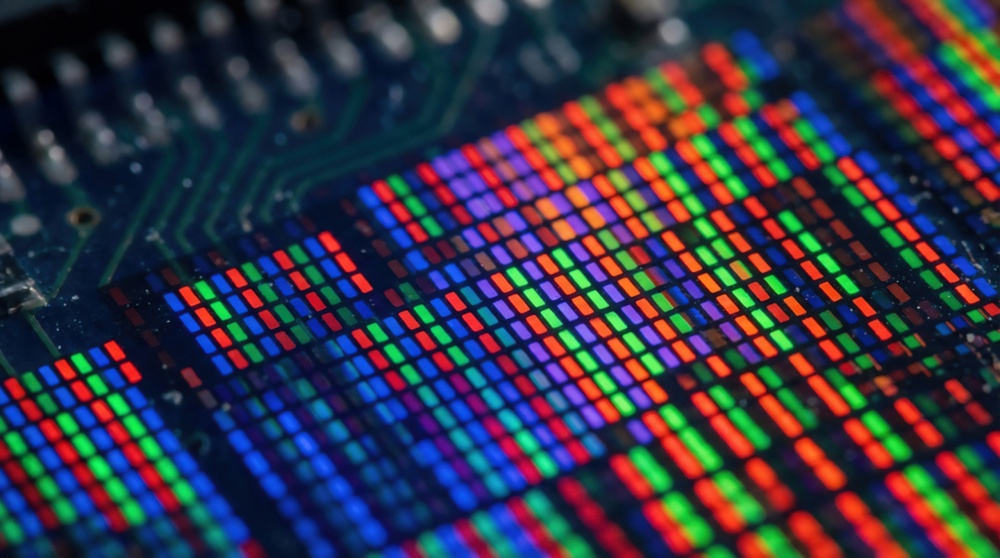

OLED displays are often evaluated through misconceptions shaped by early consumer electronics rather than current industrial implementations. Concerns around burn-in, lifespan, power consumption, and durability still influence decision-making, even though modern OLED technology has evolved significantly. In commercial and industrial systems, OLED performance depends heavily on how the display is specified, integrated, and operated.
Unlike traditional LCDs, OLED displays emit light at the pixel level. This enables high contrast ratios, fast response times, and consistent viewing angles, supporting clear visibility in compact, information-dense interfaces. Power consumption varies with displayed content, making OLED well-suited for interfaces that rely on darker backgrounds, segmented graphics, or intermittent use.
Durability and longevity are influenced more by mechanical integration, brightness management, and duty cycle than by OLED technology itself. When these factors are addressed early in the design process, OLED displays can support long-lifecycle commercial products across medical, industrial, and portable equipment categories.
Understanding where OLED delivers value and where other display technologies may be more appropriate is essential. It enables engineering and product teams to evaluate OLED based on real performance characteristics rather than outdated assumptions. Learn more.