
Plumbing systems are designed to move water in one direction. When that flow reverses, contaminated water can enter clean supply lines. This risk often goes unnoticed until water quality issues surface. For residential properties across Canada, backflow prevention is critical to protecting drinking water and maintaining safe plumbing performance.
Residential backflow preventer installations are not limited to one location in a home. Different systems require protection at various points. Understanding where backflow devices are commonly installed helps homeowners recognize risks early and plan preventive solutions before problems arise.
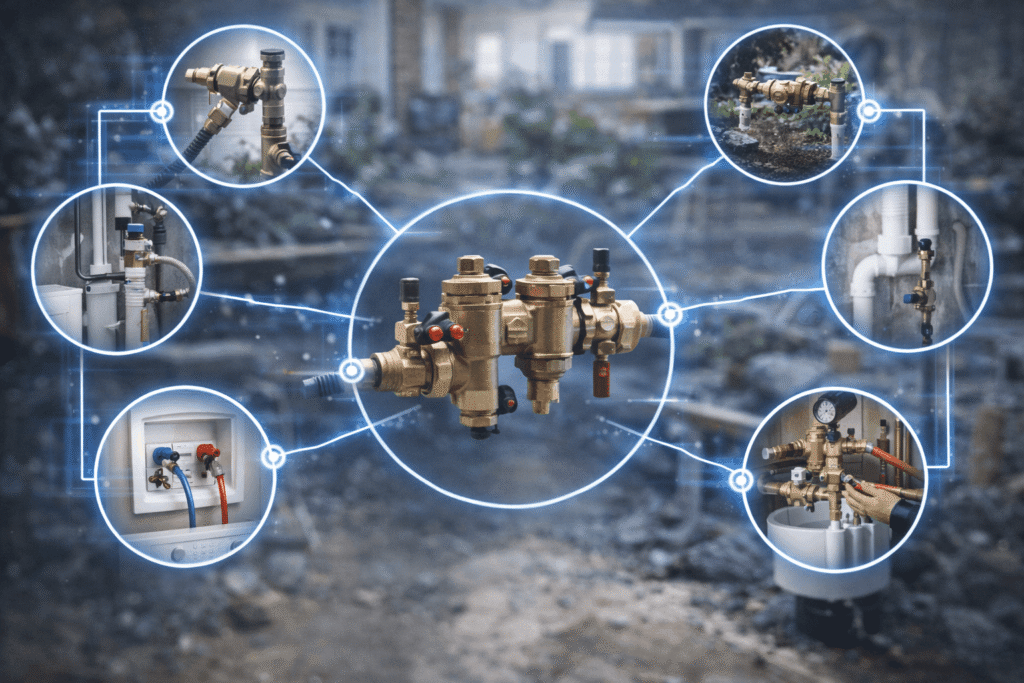
Below are six backflow preventer installations commonly found in residential settings.
1. Main Water Service Line Backflow Preventer
The main water service line connects a home to the municipal supply. This connection is one of the highest-risk points for backflow. Common causes of reverse flow include pressure drops from water main breaks, firefighting, or nearby construction.
A backflow preventer at the service line helps:
- Block contaminated water from entering the home
- Protect household plumbing fixtures and appliances
- Support compliance with local plumbing regulations
This installation often serves as the first line of defence for residential water systems.
2. Lawn Irrigation and Sprinkler System Installations
Lawn irrigation systems frequently interact with soil, fertilizers, and standing water. These systems create a direct cross-connection risk with potable water.
Residential backflow preventer installations for sprinkler systems help prevent:
- Fertilizers and pesticides from entering drinking water
- Soil and bacteria contamination during pressure changes
- Seasonal irrigation-related backflow incidents
Many municipalities require backflow protection for irrigation systems due to their elevated risk of contamination.
3. Hose Bib and Outdoor Tap Backflow Protection
Outdoor hose connections are often overlooked. A submerged hose in a bucket, pool, or garden bed can quickly introduce contaminants if the pressure changes.
Hose bib backflow devices help protect against:
- Chemical runoff from cleaning products
- Bacteria from standing water
- Cross-connections caused by attached hoses
These compact installations provide essential protection at a common residential risk point.
4. Boiler and Hydronic Heating System Installations
Hydronic heating systems circulate treated water through boilers and heating loops. This water is not intended for consumption and may contain corrosion inhibitors or additives.
Backflow preventer testing and installations in these systems help:
- Prevent treated water from entering potable supply lines
- Maintain pressure balance within heating systems
- Support long-term system reliability
These devices are especially important in homes using radiant floor heating or multi-zone boiler systems.
5. Basement Plumbing and Drainage System Installations
Basements often contain multiple plumbing connections, including floor drains, laundry systems, and utility sinks. Pressure changes resulting from municipal backups or heavy rainfall can create backflow risk.
Backflow preventer installations in basement systems support:
- Protection against contaminated water entering supply lines
- Reduced risk of cross-connection issues
- Improved system control during drainage surges
In homes with a history of drainage issues, basement protection becomes increasingly important when coupled with timely backflow preventer inspections.
6. Secondary Water Sources and Specialized Residential Systems
Some residential properties use secondary water sources, such as rainwater-harvesting systems or auxiliary water storage, for non-potable use.
Backflow preventer installations in these systems help ensure:
- Separation between potable and non-potable water
- Compliance with plumbing codes
- Safe operation during pressure fluctuations
These installations require careful system assessment to prevent unintended cross-connections.
When Residential Backflow Preventer Installation Is Required
Backflow prevention requirements vary by municipality. Installations commonly become a necessity when:
- Irrigation or sprinkler systems are present
- Boilers or hydronic heating systems are installed
- Secondary water sources are connected
- Plumbing modifications create cross-connection risks
Routine inspections and plumbing upgrades often reveal the need for additional backflow protection.
Why Professional Residential Backflow Preventer Installation Matters
Backflow preventer installations address specific contamination risks within residential water systems. From service lines to irrigation and heating systems, each installation point addresses a specific risk. Understanding these common applications helps homeowners take preventive action before water quality issues arise.
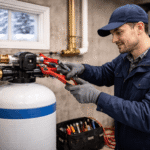
It is essential to size, install, and position backflow preventers correctly to ensure proper function. Incorrect installation can reduce effectiveness or create new risks.
Professional installation supports:
- Accurate placement based on system design
- Compliance with local plumbing codes
- Long-term reliability and testing access
Proper installation ensures backflow devices perform as intended during pressure changes. J.A. Plumbing Inc. provides reliable service across the Greater Toronto Area. Contact J.A. Plumbing Inc. today for residential backflow preventer valve replacement, testing, or installation.